
Effective Sales Organization – Structure and Team Setup in Practice

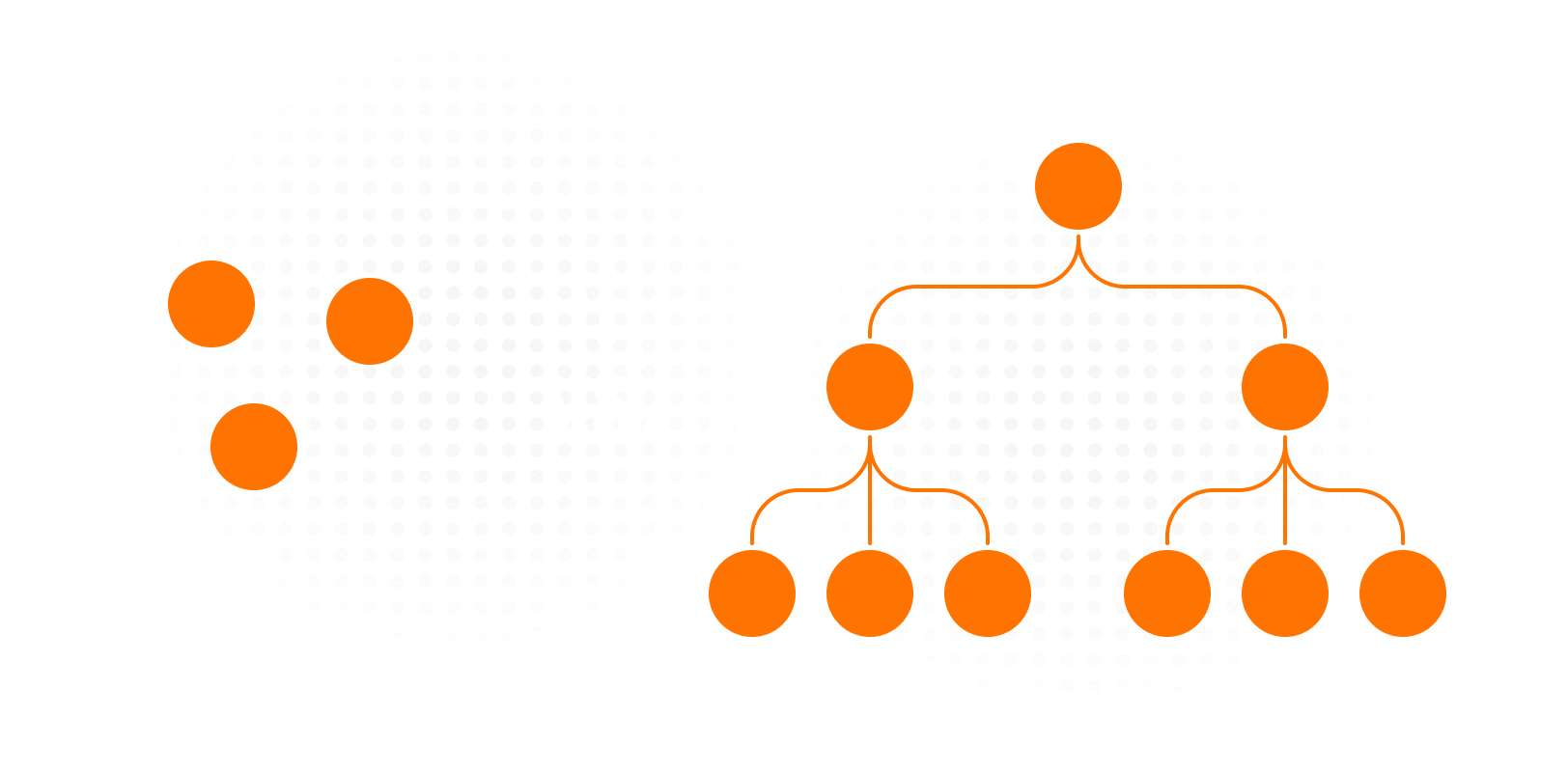
From Chaos to Clarity: Finding the Right Team Structure
Having recognized the need for a sales structure, the question becomes: how do you implement it in practice? Imagine an established family business with 100 employees that previously had no formally organized sales department. Management is now faced with the task of building a sales team.
What is the best approach? Should you hire an all-round salesperson who "does everything"? Or form a team of specialists? The options can seem overwhelming, but there are proven concepts that can serve as a guide.
The Three Classic Sales Structures
1. Functional Structure
Division by tasks and competencies:
- Business Development Representatives (BDRs): Lead generation and initial qualification
- Sales Development Representatives (SDRs): Appointment setting and opportunity development
- Account Executives (AEs): Deal closing and contract negotiation
- Customer Success Managers (CSMs): Onboarding and long-term customer support
Advantages:
- High specialization and efficiency
- Clear responsibilities
- Scalable structure
- Optimized conversion rates through focus
Disadvantages:
- Complex to coordinate
- Possible silos between functions
- Higher staffing requirements
2. Regional Structure
Division by geographic markets:
- DACH Team: Germany, Austria, Switzerland
- International Team: EU and additional markets
- Local Teams: North/South/East/West Germany
Advantages:
- Proximity to local markets and customers
- Cultural and linguistic understanding
- Efficient travel planning
- Clear geographic responsibilities
Disadvantages:
- Different market potentials
- Possible resource imbalances
- Coordination with cross-regional customers
3. Segmented Structure
Division by industry or customer segment:
- Enterprise Team: Large customers with 1,000+ employees
- Mid-Market Team: Medium-sized companies with 100–1,000 employees
- SMB Team: Small companies up to 100 employees
- Vertical Teams: Industry-specific specialization
Advantages:
- Deep industry knowledge
- Adapted sales cycles
- Specialized offerings
- Optimized resource allocation
Disadvantages:
- Complex lead assignment
- Possible internal competition
- Higher coordination effort
The Hunter-Farmer Model: Specialization at Its Best
The Core Idea
One of the most successful structures separates new customer acquisition from existing customer management:
Hunters:
- Focus on acquiring new customers
- Cold calling and lead qualification
- High risk tolerance and perseverance
- Often higher variable compensation
Farmers:
- Focus on managing existing customers
- Account development and up-/cross-selling
- Relationship management and customer satisfaction
- Long-term compensation incentives
Internal vs. External Sales: Sales as a Service
Hybrid Approaches for SMEs
Many successful SMEs combine internal and external sales resources:
Keep internally:
- Strategic customer relationships
- Complex products and solutions
- Key account management
- Sales leadership and strategy
Outsource externally:
- Lead generation and initial qualification
- Appointment setting
- Market development in new regions
- Specialized knowledge for niche markets
Sales as a Service: Advantages and Use Cases
Advantages of outsourcing:
- Flexibility: Rapid scaling without staffing risk
- Expertise: Access to specialized sales professionals
- Cost efficiency: Pay only for results
- Speed: Immediate start without recruiting
The Right Structure for Your Business Phase
Start-Up Phase (0–10 Employees)
Recommended structure:
- 1–2 generalists covering all sales tasks
- Focus on product-market fit and first reference customers
- External support for lead generation
- Simple tools and processes
Growth Phase (10–50 Employees)
Recommended structure:
- First specialization: hunter/farmer model
- Building a structured sales process
- Investment in CRM and sales tools
- Hybrid internal/external approaches
Scaling Phase (50+ Employees)
Recommended structure:
- Full functional or segmented structure
- Specialized teams for different markets
- Building sales operations and analytics
- Strategic sales-as-a-service partnerships
Implementation: The Path to a New Structure
Phase 1: Analysis and Planning (4–6 Weeks)
- Current state analysis: Assessing current sales efficiency
- Goal definition: Which structure fits our objectives?
- Resource planning: Budget and staffing requirements
- Roadmap creation: Phased transition
Phase 2: Structural Build-Up (8–12 Weeks)
- Recruiting: Filling new roles
- Process definition: Workflows and responsibilities
- Tool setup: CRM configuration and integration
- Training: Team onboarding and training sessions
Conclusion: Structure Follows Strategy
There is no single optimal sales organization – it depends on your strategy, your market, and your business phase. What matters is making conscious decisions and continuously adapting the structure to changing requirements.
Start with a simple, clear structure and develop it further. A well-organized sales team is the foundation for sustainable growth and long-term success.
Do you need support building your sales organization? As experts in sales as a service, we help you find the optimal structure and implement it successfully.
Ready to scale your sales in a structured way?
Let's build a clear go-to-market and partner strategy together.